Drone Seeding
-
IN PROGRESS: 30%
-
LOCATION: CASAL DA SILVEIRA (230HA)
-
BUDGET: 72,835€
-
ECOSYSTEM: FOREST
-
IN PROGRESS: 30%
-
LOCATION: CASAL DA SILVEIRA (230HA)
-
BUDGET: 72,835€
-
ECOSYSTEM: FOREST
O b j e c t i v e s
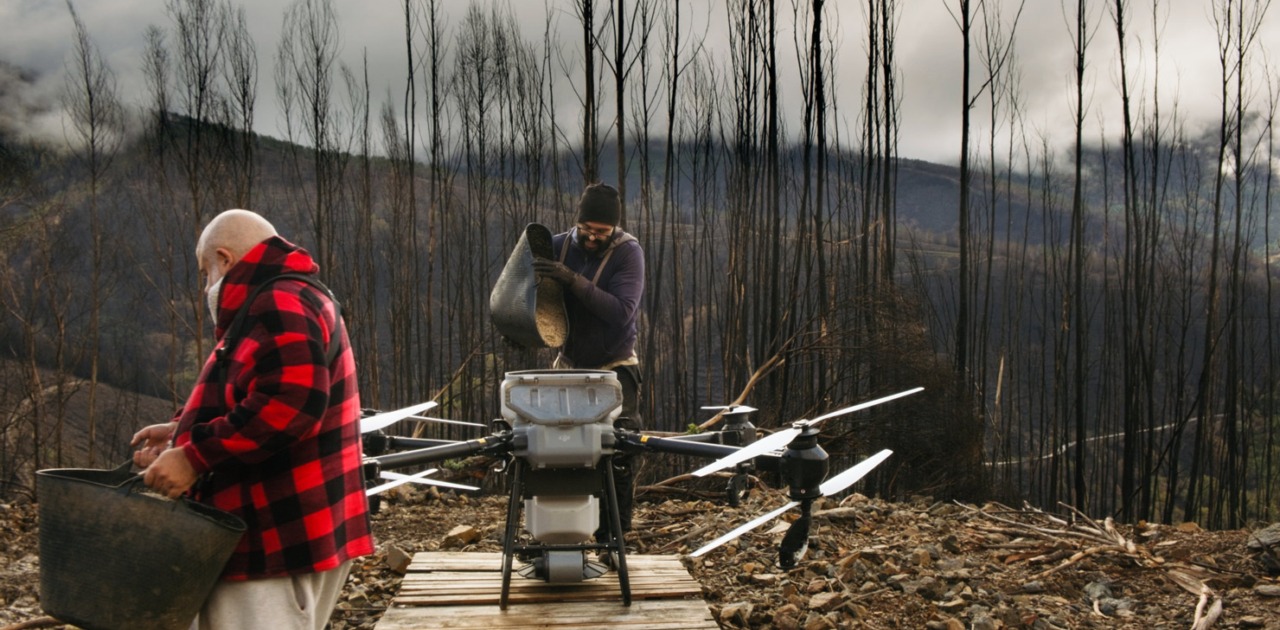
- Deploy 50kg/ha of herbaceous and grain seed mix via drone to blanket fire-scarred areas, rapidly establishing ground cover that smothers mimosa regrowth
- Suppress invasive mimosas (acacia dealbata) – the primary post-fire ecological risk – by outcompeting them with dense, fast-sprouting native-adapted species that restore soil stability and moisture retention
- Prevent erosion and retain soil moisture on steep slopes, with fast-growing herbaceous and grain species rapidly forming root networks that stabilize soil and capture rainwater
- Accelerate ecosystem recovery across wildfire-affected hectares, giving life back to the soil
- Scale drone seeding as a cost-effective, precise tool and scale that up to other parts of the Lousã mountain range.
D e s c r i p t i o n
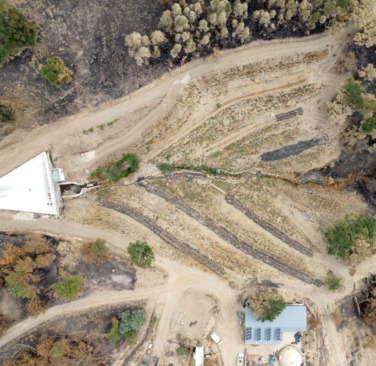
After a wildfire, the land’s most urgent enemy is water. Without grass, shrubs, or leaf litter to intercept rainfall and bind soil particles, even moderate precipitation causes rapid surface erosion. On steep slopes, this can escalate quickly into landslide risk, destabilising hillsides, silting up watercourses, and stripping away centuries of accumulated topsoil.
Invasive mimosas (acacia dealbata) also pose a big ecological threat by rapidly recolonizing scorched land. We needed to act fast to prevent this from happening!
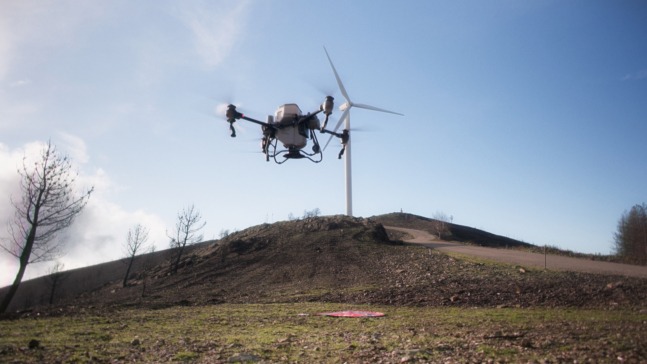
We acquired an agricultural drone to deploy a custom seed mix that outcompetes mimosas, stabilizes soil, and kickstarts native regeneration.
Discover all the details of this project in Episode 22 of our Youtube series below
O u t c o m e s
Initial drone flights have seeded priority zones, with early germination already visible. There’s a long way to go but the early evidence confirms that aerial drone seeding can meaningfully close the critical window between fire and erosion, giving native ecosystems the time they need to recover.
We’re positive this strategy will be suitable for large-scale post-fire restoration, preventing erosion and improving biodiversity. Read how we’re testing aerial seeding to restore 230 hectares of mountain landscape in our blog.
Discover more about the learning curve, the mistakes, the workflow, and the first signs of recovery in the episode below.
EXPLORE
Drone seeding