



07.05.2025.
Hügelkultur: A Key Element in Our Regeneration
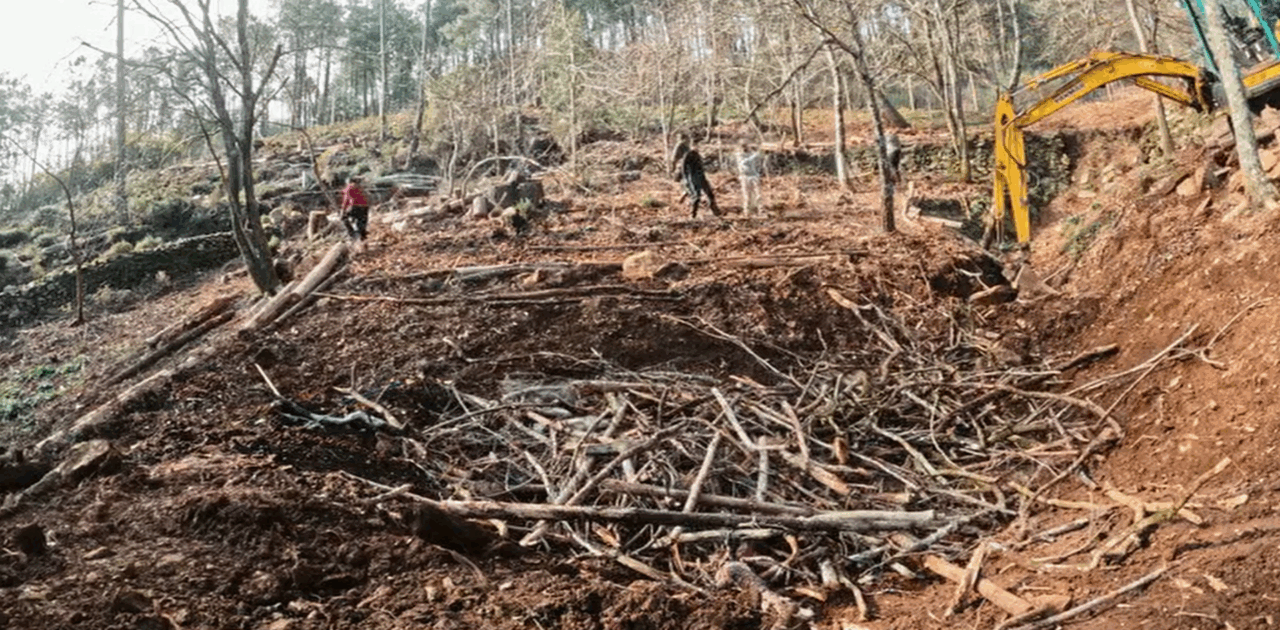
Intro
Among the many permaculture techniques used across our land, hügelkultur stands out as one of the most relied upon. This traditional method of building raised garden beds involves layering various organic materials to create a self-sustaining, moisture-retentive growing environment. Rather than planting directly into the soil, hügelkultur beds are often prepared in advance—helping to retain water, improve soil structure, and steadily build fertility over time.
Forest Wisdom in the Garden
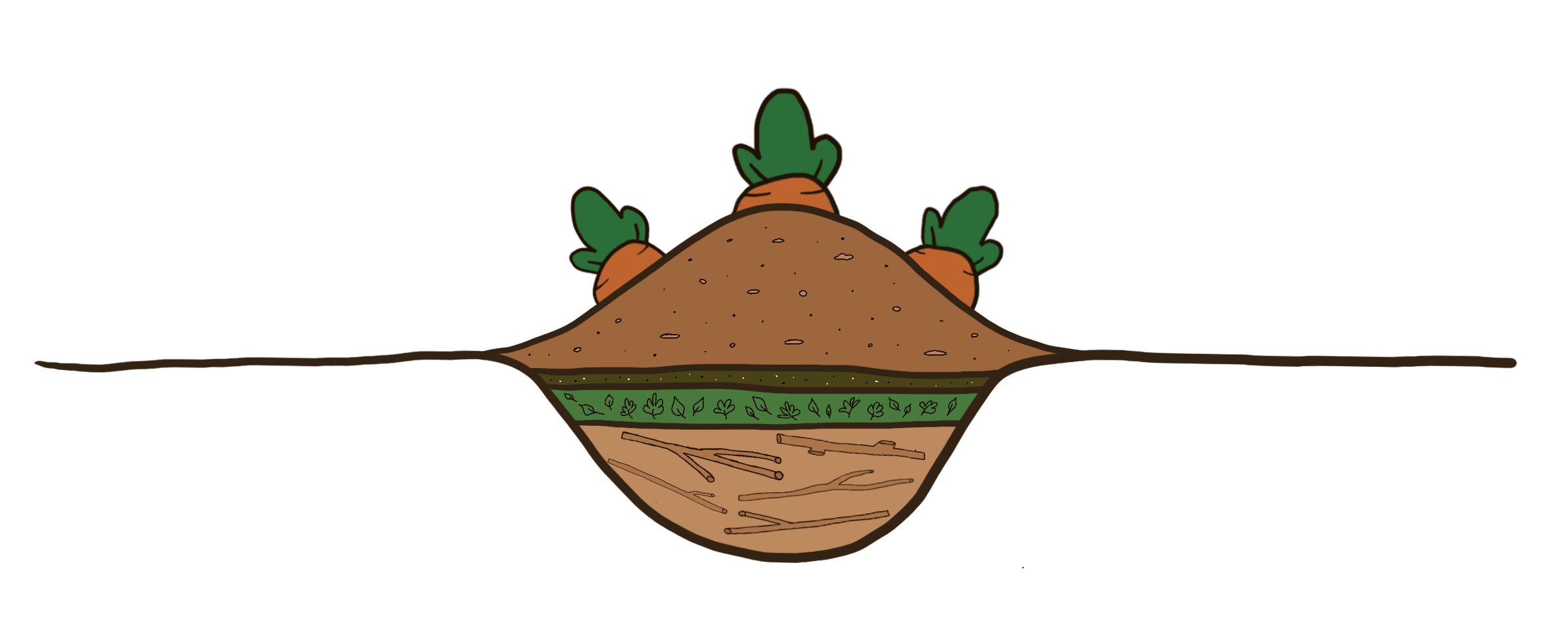
This clever technique, which has roots in Eastern European farming traditions, mimics the natural decomposition process found on forest floors, where fallen wood gradually breaks down and enriches the soil. A typical hügelkultur bed begins with a base of logs and branches, which gradually decomposes and acts like a sponge, storing moisture and releasing it gradually to plants. This base is then topped with green leaves or clippings, finer organic materials, and finished with a layer of soil, creating a raised mound that evolves into a fertile, microbially rich growing medium.
It’s like creating a long-term composting mound where the veggies, herbs, or flowers can thrive with minimal input. Plus, it’s a great way to recycle garden debris and improve soil health over time. We are implementing different variations of the hügelkultur technique in many of our small projects and often we are trying to add as many important layers as we can.
Our favourite "recipe"
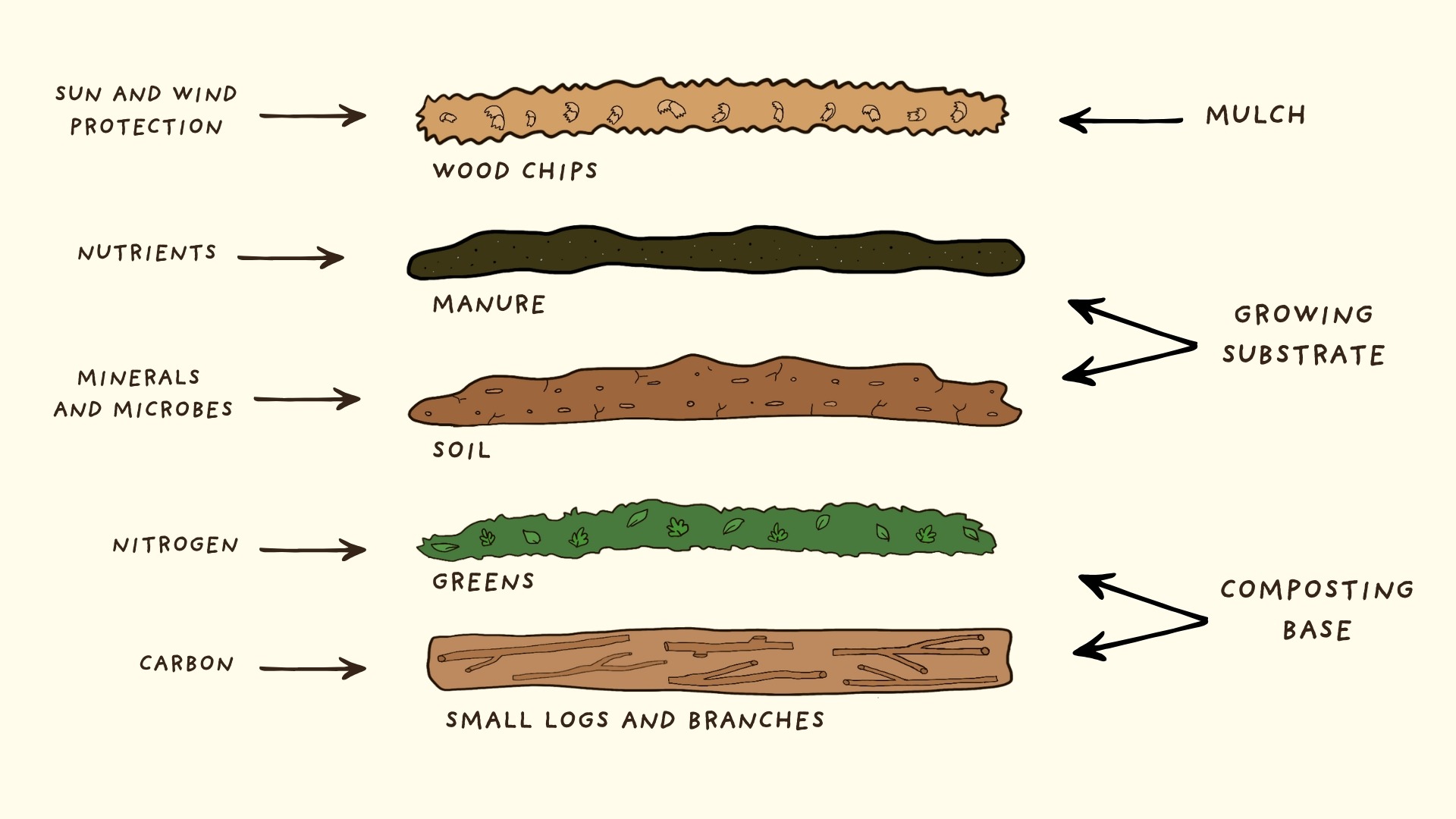
Our best “recipe” begins with the composting base: logs and branches at the bottom to provide carbon, followed by green materials like leaves, that add nitrogen—which will decompose over time. Once the composting base is established, the next layer is the growing substrate: soil, which supplies minerals and beneficial microorganisms, and manure, adding essential nutrients for plants. Finally, a layer of mulch—such as woodchips, straw or other organic matter—is added to protect the substrate from drying out due to sun and wind and help control weeds.
Learn more about hügelkultur from our latest Vlog.
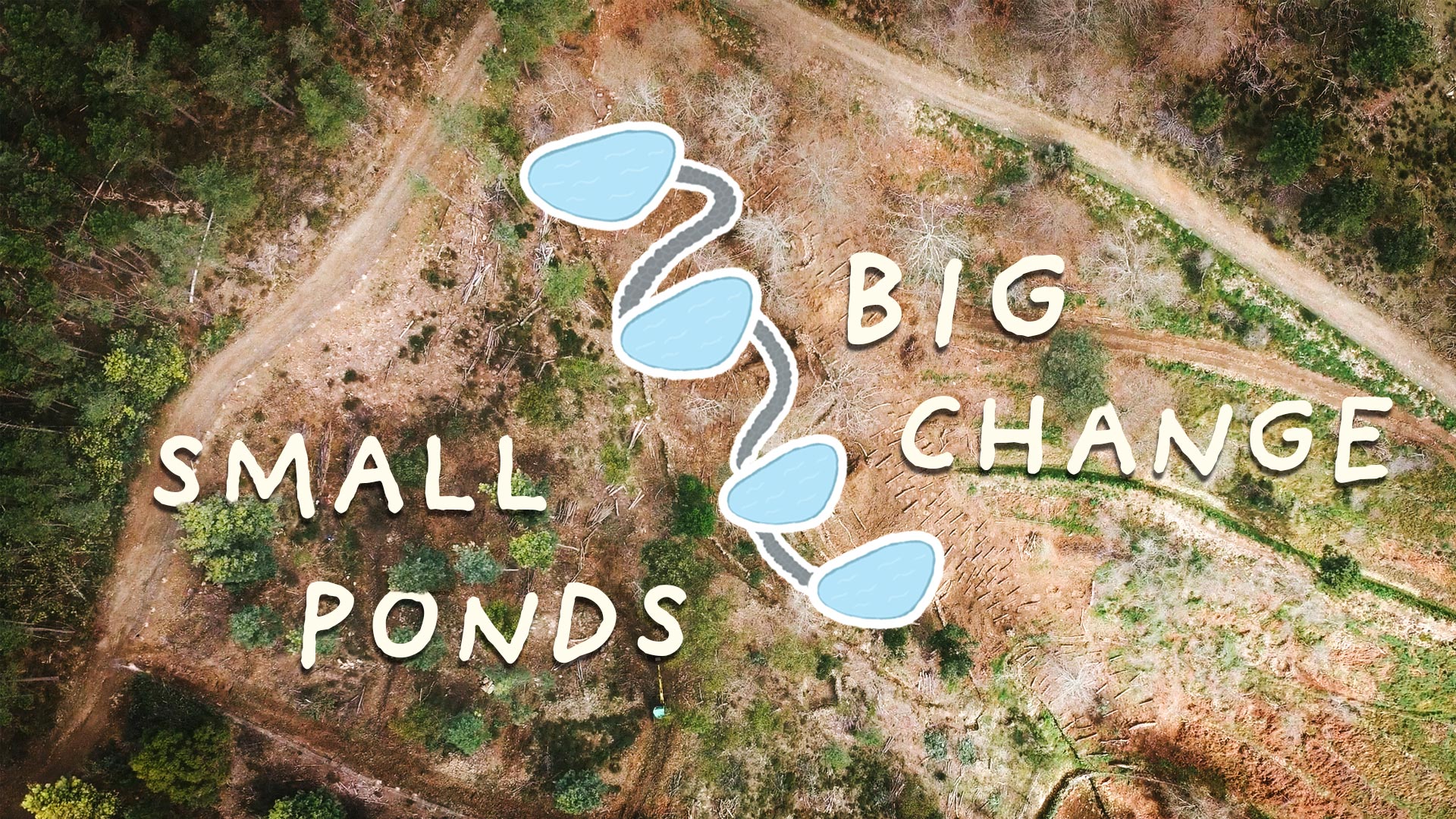
Follow Our Journey on YouTube!
Subscribe to our Silveira Tech YouTube channel to stay updated with the progress of our project. We’re documenting every step of our path towards ecological restoration, regenerative agriculture, and the revitalization of 2 ancient abandoned villages on our land.
Support Us on Patreon!
Join us in reforesting 200 hectares of the Serra da Lousã mountain!
Frequently Asked Questions
What is hügelkultur and where does it come from?
Hügelkultur (German for “mound culture”) is a traditional Eastern European method of building raised garden beds using layers of logs, branches, leaves, organic matter, and soil. The decomposing wood at the base acts like a sponge, absorbing moisture and releasing it slowly to plant roots, while the layered organic material gradually builds soil fertility. The technique mimics the decomposition process that naturally occurs on forest floors.
How long does a hügelkultur bed take to establish?
A hügelkultur bed improves over time. In the first year, the bed is establishing, the wood is beginning to decompose and the microbial community is building. By years two and three, water retention and soil fertility typically increase significantly. A well-constructed bed can remain productive for 10–20 years with minimal external inputs.
Does hügelkultur work in dry, hot climates like Portugal?
Yes, and it can be particularly valuable in dry conditions. The buried wood acts as a water reservoir, absorbing rainfall or irrigation and releasing it slowly, reducing the need for frequent watering during dry months. In Serra da Lousã, where summer droughts are common, this moisture retention function is one of the primary reasons we use the technique.
What materials do you use in a hügelkultur bed at Silveira?
Our base is logs and branches (for long-term carbon and moisture retention), followed by green leaves and clippings (nitrogen), then soil with beneficial microorganisms, manure for nutrients, and a top layer of mulch, woodchips or straw, to prevent moisture loss from sun and wind. We prioritise locally available materials, often using wood cleared during mimosa removal.
08/05/2026
More than 120 Hectares: Hardship and Victory on the Mountain
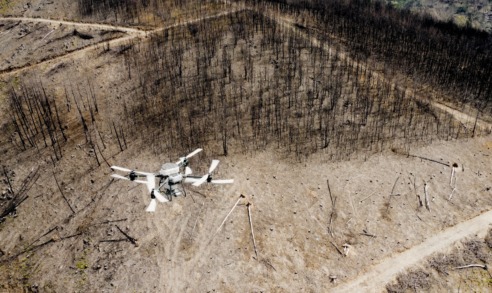
Taking on the Agras T50, our seeding drone, for the first time, while simultaneously covering more than a hundred hectares of charred, uneven ground, was an ambitious undertaking.

23/03/2026
How Drones are Transforming Regeneration
08/10/2025
From a Humble Storage to an Off-Grid Basecamp
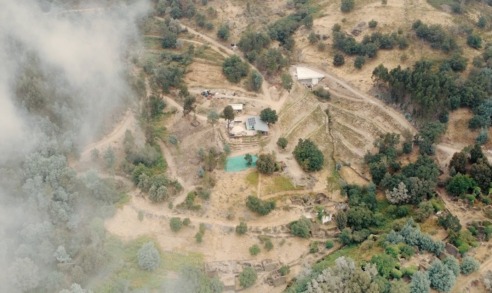
Learn how we work off-grid as well as the challenges and benefits this way of life brings!


